The Professional Health Monitoring Program
The Two Parts of the Program
The Professional Health Monitoring Program (PHMP) serves licensees whose practice may be affected by a substance use disorder or another mental or physical condition. It has two parts, and the distinction between them is significant.
Which part applies depends on how the matter reached the Department and on the licensee’s eligibility.
Voluntary Recovery Program (VRP)
The Voluntary Recovery Program (VRP) is an alternative to discipline for eligible licensees of participating boards; a licensee who complies may avoid public discipline.
Disciplinary Monitoring Unit (DMU)
The Disciplinary Monitoring Unit (DMU) monitors licensees whose monitoring is part of a public disciplinary order.
Board Impaired Professional Programs
Many health-related practice acts, including those for medicine, osteopathic medicine, professional and practical nursing, pharmacy, dentistry, chiropractic, optometry, podiatry, physical therapy, occupational therapy, psychology, social work and veterinary medicine, also allow a board to defer and ultimately dismiss corrective action for an impaired licensee who progresses satisfactorily in an approved treatment program; the acts exclude licensees convicted of a felony under the Controlled Substance, Drug, Device and Cosmetic Act, although Act 53 of 2020 may limit those felony drug provisions to drug trafficking offenses.
How a Matter Reaches the Program
A referral may come from an employer, a treatment provider, a colleague, a health care facility’s mandatory report, a criminal matter such as a DUI, or the licensee’s own request.
Questions Licensees Ask
Who is eligible for the Voluntary Recovery Program?
The VRP is available to licensees of the participating health-related boards. A licensee must be evaluated by an approved provider, follow the resulting treatment plan and enter a monitoring agreement, which usually lasts several years. Licensees with certain drug convictions, allegations of significant patient harm, diversion for sale or sexual boundary violations are generally not eligible. Participation carries significant obligations, and a licensee should obtain advice before agreeing to any terms.
What does monitoring involve?
Monitoring agreements commonly require treatment, support-group attendance, random drug and alcohol testing, workplace monitoring and regular reports. The terms vary with the licensee and the condition.
What happens if I do not comply with the agreement?
A licensee who does not comply with a VRP agreement may be removed from the program, and the matter may then proceed as a formal disciplinary action.
Should I sign a monitoring agreement right away?
Not before obtaining advice. The length of monitoring, any practice limits and the testing terms should be understood before signing.
Which boards take part?
Each board page on this site explains how the program, or the board’s own impaired professional program, applies to that profession.
Meet Your Attorney
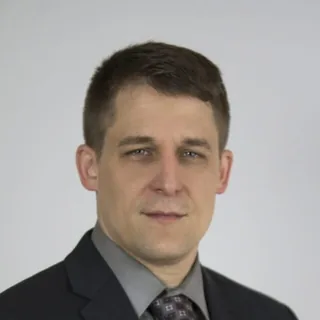
Steven A. Mimm, Esq.
Founder, Mimm Law, LLC. Admitted in Pennsylvania (2008) and New Jersey (2022).
From 2014 to 2022, Attorney Steven A. Mimm served as a prosecuting attorney bringing disciplinary actions on behalf of the Bureau of Professional and Occupational Affairs before Pennsylvania's licensing boards. That experience informs how the firm evaluates evidence, negotiates with the Commonwealth and prepares cases for hearing. Where a licensee also faces criminal charges, the firm handles the licensing matter and coordinates with the licensee's criminal defense counsel.
Related: Licensing and FAQs · All Licensing Boards
Last reviewed September 2026. The information on this page is general in nature and is not legal advice. Contacting the firm does not create an attorney-client relationship.